Category: Uncategorized

What is entrepreneurship?

Entrepreneurship

Entrepreneurship is much more than just a business activity; it’s a powerful driver of social transformation, economic development and personal fulfillment. Although theoretically accessible to everyone, entrepreneurship requires specific skills to keep a business growing. Read on to find out more about entrepreneurship and how best to assess your entrepreneurial skills.

What is entrepreneurship?

Entrepreneurship refers to the action of undertaking and developing one’s own project. The person who creates an economic activity to meet a need is deemed an entrepreneur.

Entrepreneurship is only about creating new businesses, it also entails entrepreneurial initiatives within existing organizations, such as developing new products, integrating new technologies or implementing an expansion strategy. Entrepreneurs make informed decisions regarding their entrepreneurial activity operation and take on the associated risks.

Who can do it?

Entrepreneurship calls for certain qualities, such as:

Motivation

Motivation is the source of energy that enables us to achieve our goals and transform our entrepreneurial ideas into reality. It is essential for meeting challenges, overcoming obstacles and maintaining perseverance in difficult situations.

Patience and Resilience

Success doesn’t happen overnight. Entrepreneurs often have to go through various stages, especially in the start-up phase. Patience enables them to keep a long-term perspective and work steadily towards their goals.

Creativity

Entrepreneurs need to develop a creative spirit that encourages innovation in their business. This is essential if they are to stand out from the competition and open up new prospects for business expansion.

Courage

Entrepreneurship is a field exposed to many risks (fierce competition, economic crisis, shortage of raw materials, new regulations, etc.). That’s why you need courage to set up a business. However, it must be accompanied by risk management to deal with disruptive events and ensure business continuity.

Flexibility

An entrepreneur’s personality needs to be flexible in order to adapt to changes inside or outside the company.

Curiosity

Curiosity fosters continuous learning. A curious entrepreneur tends to acquire new knowledge and skills. They are open to technological developments and changes in their industry.

Entrepreneurial leadership

An entrepreneur must be a quality leader who is able to create a climate conducive to productivity and collaboration:

  • An entrepreneurial leader inspires and motivates other team members;
  • They make strategic decisions for their company’s future;
  • They are a good listener;
  • They establish a corporate culture;
  • They align their team’s efforts to common goals;
  • They must be able to manage conflict and maintain healthy relationships;
  • Etc.

The meaning of communication

An entrepreneur must master the techniques of effective communication so as to:

  • Communicate their vision and objectives to their team;
  • Negotiating with suppliers;
  • Attract and retain clients;
  • Etc.

How do companies evaluate leadership?

What are the 7 forms of entrepreneurship?

1.Entrepreneurship from the ground up

This is the most popular form of start-up for young entrepreneurs. A business built from the ground up means that its founders start from scratch, and must mobilize all the elements necessary for its operation, such as financial capital, human resources, infrastructure, partnerships, customers/clients, etc.

There are several possible reasons for choosing this form of business:

  • Create an innovative solution;
  • Respond to a problem encountered by the entrepreneur;
  • Respond to a change in the economic or social environment.

A business built from scratch takes a lot of time and effort to establish itself in the market. A solid business plan is essential to get the company off the ground.

2.Company Takeover

As the name suggests, this involves taking over the activities of an existing company, be it an SME, a start-up or a large corporation. The buyer has the choice of creating a new company or taking over an existing one. This form of enterprise offers a number of advantages, not least in terms of customer and supplier relations if the company was already strong. What’s more, communicating a message of continuity is a plus for a company that’s doing well.

3.Franchise Business

A franchise business is a business model in which an entrepreneur, known as a franchisee, obtains the operating rights to an established brand, known as the franchisor. The franchisee uses the knowledge, operating methods and brand recognition of the franchisor to start up and run the business.

Franchising offers a number of advantages, such as reduced risk compared with an independent business, access to a recognized brand, ongoing support and the possibility of faster growth.

4.Spin-offs (extrapreneurship)

When an employer helps their employees to become entrepreneurs, we call it a “spin-off” company. There are 3 types of spin-offs in entrepreneurship:

  • Hot (or social) spin-offs: aimed at solving a problem of overstaffing within a company or implementing a restructuring policy;
  • Cold (or active) spin-offs: this concerns staff who already have a business creation project;
  • Strategic spin-offs: this involves outsourcing an activity and establishing a win-win economic relationship.

5.Intrapreneurship

Intrapreneurship encourages the development of entrepreneurial skills. It involves, for example, creating a new economic activity within the same company. In regard to an intrapreneur, this means an excellent opportunity for learning and experimentation, while avoiding the risk-taking inherent in setting up a new business.

6.Public entrepreneurship

Public entrepreneurship refers to initiatives and businesses that aim to create social and economic value and solve environmental problems.

  • Vocabulary of social entrepreneurship: public companies focus on issues such as social equity, the environment, health, education, employment, culture and so on.
  • Collaboration: public entrepreneurship encourages collaboration between different players, including governments, private sector companies, non-profit organizations, academic institutions, etc. These partnerships are important for mobilizing the resources and skills needed to achieve social objectives. These partnerships are important for mobilizing the resources and skills needed to achieve social objectives;
  • Social innovation: innovation in social enterprise involves the creation of new approaches, technologies or solutions that respond to society’s emerging needs;
  • Sustainable development: public entrepreneurship focuses on viable projects that respect the well-being of individuals and ecological constraints.

Why become an entrepreneur?

  • Becoming your own boss: This allows you to organize yourself freely and flexibly, and achieve an effective work-life balance.
  • Bringing ideas to life: Entrepreneurship allows you to realize your own strategies and stimulate your creative spirit.
  • Developing skills: Beyond technical skills, entrepreneurship is an excellent opportunity to develop personal skills in team management, communication, negotiation, risk management and so on.
  • Improving income: Entrepreneurial work offers greater income potential than salaried work. This is an important motive for maximizing business performance.

How to improve interpersonal relationships?

What are the advantages of entrepreneurship?

Creating economic value

Entrepreneurship helps create added value and stimulate the local and national economy.

Job creation

Companies help to create new employment opportunities, reducing unemployment and helping young people to integrate into working life.

Innovation

Entrepreneurs tend to come up with innovative solutions, which helps to improve the quality of products and services.

Social commitment

Entrepreneurs can support local initiatives, sponsor events, collaborate with other organizations and participate in community projects.

How do you measure your entrepreneurial skills?

If you’re interested in becoming an entrepreneur, HRid offers you the ID-Entrepreneurship test to assess your entrepreneurial abilities. Our process is based on in-depth research and the different aspects of a talented entrepreneur, namely:

Discover our tests


How to become an entrepreneur?

Becoming an entrepreneur

Setting up your own business is an exciting project that many employees are enthusiastic about. It’s an excellent option for becoming independent and improving your quality of life. However, beyond the skills needed to run a core business, entrepreneurial success is strongly linked to personal qualities. That’s why it’s important to examine the profile of a good entrepreneur.

What is an entrepreneur?

An entrepreneur is a business owner who is held responsible for their own actions. They are not legally under anyone else, setting them apart from employees. An entrepreneur is, therefore, free to make their own decisions when it comes to strategic planning, choosing clients and suppliers, pricing and so on.

An entrepreneur is not necessarily in charge of the company. They can delegate this role to a manager. The main objective of an entrepreneur is to make a profit and ensure the long-term viability of the business.

Is entrepreneurship for everyone?

Entrepreneurship is not for everyone, as it entails specific challenges and skills that are not suitable for many people.

Is becoming an entrepreneur risky?

Yes, becoming an entrepreneur is risky; that’s why you need risk management skills.

Financial Risk

An entrepreneurial project can affect our personal finances. There may be uncertainty about income, the profitability of investments, future expenses, and so on.

Unstable Economic Environment

The entrepreneurial environment is often characterized by great uncertainty. Markets, consumer trends and technologies evolve rapidly, making it difficult to forecast the future of a company.

Competition and Market Saturation

In many business sectors, competition is fierce. Market saturation can make it difficult for companies to differentiate themselves and win market share.

High Workload

Entrepreneurs are often responsible for multiple tasks and can work long hours, sacrifice their personal lives and suffer high levels of stress. Some people might drop their projects as a result.

How do you decide if becoming an entrepreneur is right for you?

To find out whether starting your own business is the right choice for you, it’s important to analyze your goals, your lifestyle and your personal qualities. Taking an online test is an excellent idea for evaluating important aspects of entrepreneurship, such as:

  • Conditions for success;
  • The intention to become an entrepreneur;
  • Motivation and determination;
  • The ability to take risks;
  • Problem-solving skills;
  • The personal qualities needed to develop a business;

The HRid entrepreneurship test lets you know what kind of entrepreneur you are:

Builder Type

Builder-type entrepreneurs are known for their determination to achieve their goals. They are seen as energetic and strongly focused on results. They are confident and willing to take risks. They can manage stress and build an extensive network of contacts. However, these people do not see conventional entrepreneurship as the only way to achieve their goals. They include people who work independently and individuals who wish to participate in projects, without being the company’s creators.

Developer Type

Developer-type entrepreneurs demonstrate both the motivation and traits required to build a business from the ground up. They are proactive and oriented on results. To them, entrepreneurship is more than just a career, it’s a way of life. They’re optimistic about creating new solutions to meet customer needs. This category includes founders of small, medium and large companies, as well as those looking to grow an existing business.

Employee Type

This type of person displays certain characteristics associated with entrepreneurs but is not equipped to start their own business. However, they may contribute significantly to starting up a business, rather than taking on the risks inherent in a new venture.

Explorer Type

This type of entrepreneur is driven by exploring new markets and opportunities. Explorer-type entrepreneurs are often on the lookout for emerging trends. They are ready to take risks and experiment with new approaches to expand their entrepreneurial ventures.

Entrepreneurial qualities and commonalities

Motivation

Motivation is an essential driving force for all entrepreneurs who want to create and develop a business:

  • Commitment and determination: motivation keeps entrepreneurs committed to their goals and gives them the determination they need to achieve them;
  • Perseverance and resilience: motivation provides the energy needed to overcome obstacles and meet challenges. A motivated person is more likely to learn from their mistakes and continue on the entrepreneurial path;
  • Inspiration for the team: motivation is contagious and can inspire team members. When an entrepreneur is passionate and motivated, they impart this positive energy to the team, strengthening cohesion and productivity.

Creativity

A competent entrepreneur needs to be creative in order to stand out in their field and must implement strategies for innovation and continuous improvement.

Adaptability and Flexibility

The ability to adapt to market changes and new circumstances is crucial to success as an entrepreneur. The entrepreneur must be able to adjust strategy, revise business plans and seize new opportunities.

Entrepreneurial Skills

A quality entrepreneur must acquire specific skills to manage their business, such as:

  • Strategic planning: an entrepreneur must be able to lay out a strategic plan to achieve their objectives. Strategic planning involves setting objectives, identifying actions to be taken, allocating resources and evaluating results;
  • Project management: an entrepreneur needs basic management skills, including human resources management, operations management, financial management and time management. Effective management helps optimize the allocation of available resources;
  • Communication skills: an entrepreneur must be a good communicator, able to clearly express their vision, negotiate, persuade and create solid relationships with customers, partners and team members;
  • Leadership: an entrepreneur must be a good leader and be able to engage their team, align their efforts with the company’s objectives and strengthen the bonds between employees.

Is leadership innate or acquired?

What are the advantages of becoming an entrepreneur?

Independence

Entrepreneurship means being your own boss. Entrepreneurs value the freedom and autonomy offered by entrepreneurship, in which they can shape their business according to their own values, visions, and goals. This enables them to define their own schedules and create a balance between their professional and personal lives.

Income Potential

Entrepreneurship offers the possibility of significant financial gain. Entrepreneurs have the opportunity to create value, increase sales and build their own wealth, rather than depend on a fixed salary.

Economic and Social Contribution

A business project is a good idea for contributing to economic growth and job creation.

Developing Professional and Personal Skills

Entrepreneurship provides a fertile ground for continuous learning. As an entrepreneur, you will constantly be confronted with new challenges and situations, enabling you to acquire new skills and broaden your areas of qualification.

What if I had other choices? What are my career interests?

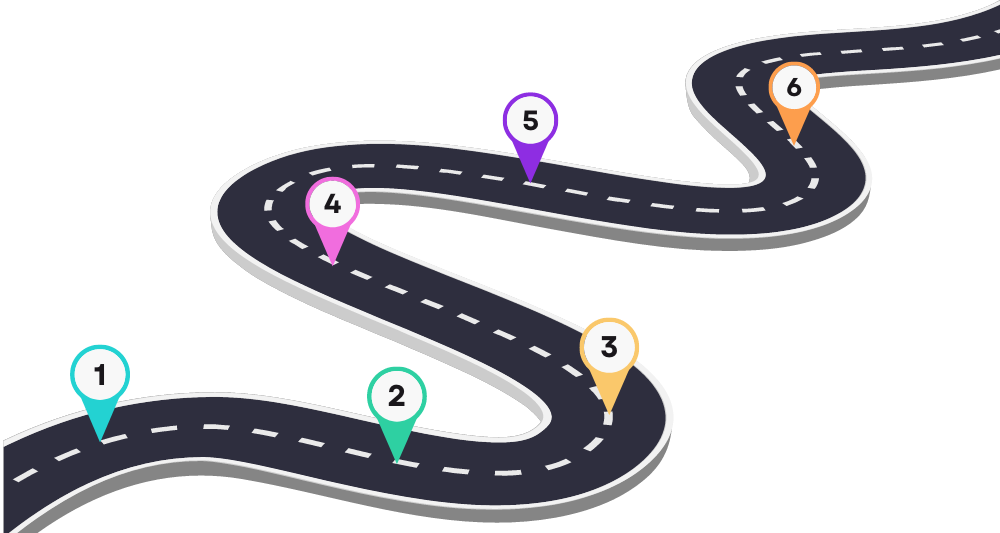
6 Steps to Becoming an Entrepreneur

1.Business Idea

It’s about examining your skills, talents, and preferences to choose a business concept that is tailored to you.

2.  Administrative Procedures

  • Answer the questionnaire;
  • Take the administrative steps required by the law of the place where you want to set up your business.

3.Complementary Training

Identify the technical and managerial skills needed to launch and run your business.

4.Business Model

A business plan defines the vision, objectives, strategies and actions to be implemented to create and develop a company:

  • Market study: competitor analysis, market trends, potential client profile, etc.;
  • Marketing strategy: product, price, placement and promotion;
  • Operational plan: procurement, production processes, technologies used, marketing, etc.
  • Financial plan: projected financial statements, cash flow, profit margins, etc.
  • Growth strategy: expansion plan, strategic partnerships, etc.

5.Fundraising

There are several ways to raise the funds you need to create and develop your business:

  • Use your savings;
  • Obtaining a loan or microcredit;
  • Ask your family and friends to participate in the project to create your company;
  • Access a crowdfunding platform;
  • Contacting angel investors;
  • Applying for a small business grant;
  • Etc.

Take an entrepreneurship test

If you have a business project in mind, HRid offers you the ID-Entrepreneurship  test to assess your interests and skills as an entrepreneur. Our model enables you to determine your entrepreneurial style and provides you with the key aspects of a potential entrepreneur.

Discover our tests

Midlife crisis? What are my career options?

Midlife crisis, career options

The midlife crisis is an often-tumultuous transitional stage that generally occurs between the ages of 35 and 55. This pivotal period of life is generally characterized by a profound reappraisal of personal choices, meaning in life and professional direction.

Some feel that the seemingly good career choices they made in the past have now become irrelevant, while others take advantage of this period to reassess their priorities and embark on new challenges. Read on to find out more about the mid-life crisis and the career opportunities available to you during this period.

What is a midlife crisis?

The midlife crisis is a concept introduced by Canadian psychoanalyst Eliott Jacques in 1965. According to him, this period translates into an awareness of one’s own mortality, i.e. death is no longer an abstract concept or applied to someone else, but becomes a personal matter.

This is a stage in life when the “midlifer” is questioning their ideas, relationships, work, etc. They have the desire to change but don’t have a clear vision of their future. This existential crisis can be triggered by major events such as losing your job, a breakup, a loved one passing away or simply questioning where your life is headed. The repercussions of a midlife crisis vary from person to person. It can take the form of temporary depression or more serious psychological problems.

What are the symptoms of a midlife crisis?

Dissatisfaction and questioning

People experiencing a midlife crisis may feel dissatisfied with their current life, including their professional career. They may question past choices and wonder if they’re on the right track.

Quest for Meaning and Purpose

A search for deeper meaning in life is becoming a major preoccupation. Individuals may feel a need to find a greater purpose, whether in their personal or professional lives.

Doubts About Oneself and One’s Achievements

During this period, doubts often arise about past skills, achievements and successes. Individuals may wonder whether they are living up to their own expectations.

Sense of Loss

A mid-life crisis can also be accompanied by a sense of loss, whether of youth, career opportunities or unfulfilled dreams. Individuals may feel nostalgic for the past, and find it difficult to accept the irreversible changes that come with age.

Desire for change

The midlife crisis is often associated with a desire for change in all aspects of one’s life (buying a new car, a new wardrobe, a new house, etc.);

Psychological disorders

A person experiencing a midlife crisis may manifest psychological disorders of varying degrees of severity:

  • Great weariness and a feeling of despondency;
  • Strong irritability with those around him;
  • A feeling of oppression;
  • Feelings of anger, even violent outbursts;
  • Feelings of depression, loss of motivation and malaise;
  • Anxiety and sleep disorders;
  • Etc.

Signs of a midlife crisis in men

  • The forty-something man may tend to seduce younger women to cope with the feeling of early old age. To do this, he renews his appearance, his car and even his behaviour.
  • He becomes harder on those close to him, provokes others and argues.

Signs of a midlife crisis in women

  • Menopause and the hormonal changes associated with it can cause hot flashes, headaches, reduced libido, memory and concentration problems, and so on.
  • The woman experiences a feeling of anguish when her children leave the parental home;
  • She finds more time to take care of her beauty and her private life.

Why are emotional intelligence tests important?

How do you overcome a midlife crisis?

Accepting the Crisis

It’s important to accept and acknowledge the emotions you feel during this critical period, whether they be confusion, frustration, sadness or anxiety. This helps you put in place an effective coping strategy. By refusing to face up to such a situation, you run the risk of feeling discouraged and, in the long term, experiencing depression that .

Taking a Step Back

The midlife crisis may be associated with other social or personal problems. So you need to better understand the origin of each ailment. Stepping back from the decisions you’ve made during this period is also crucial. Remember that the consequences of certain decisions can have an impact on the rest of your life. Generalized second-guessing is to be avoided. Take time to reflect on your values and goals. Ask yourself what’s really important in your life. This will help you make more informed decisions.

Seeking Support

Communication is the best way to get out of a crisis. Don’t hesitate to discuss your concerns and emotions (anxiety, fear, disappointment, exhaustion, disillusionment, etc.) with a close relative or trusted friend. The experience of people who have lived through a midlife crisis can provide a different perspective and invaluable moral support.

Get Help From a Therapist

A mental health professional or life coach can help you determine the real reasons for your midlife crisis. They can guide you toward appropriate treatment methods and provide personalized follow-up.

Explore New Opportunities

A midlife crisis can be a time to explore new opportunities. Life is constantly evolving, and being open to change and adjustment helps you regain a sense of fulfillment.

Taking Care of Yourself

Neglecting your physical and mental well-being can make the midlife crisis even more complicated. Make sure you take care of yourself by adopting a healthy lifestyle and engaging in activities that bring you relaxation and pleasure.

How do you choose a new career?

The midlife crisis can be an opportunity to start a new professional career. There are several reasons for this:

  • Want to change your work routine;
  • Want to develop your skills to maintain your self-confidence;
  • Want to start your own business and become independent;
  • Financial and social stability that allows you to take risks;
  • Sufficient physical and mental capacity.

Here are some practical tips for choosing a new professional career after the age of 40:

Consider your passions and interests

Think about what motivates you. Identify the areas in which you enjoy working and which give you a sense of fulfillment. Taking a career interest test can also be a quick and valid way of clearly identifying your career interests. You may be surprised at just how interesting certain jobs can be for you.

Take the ID-Career test

Assess your skills

Review your skills, knowledge and experience acquired over the years. Identify the professions in which you excel and the skills you’ve acquired that you could use in a new career. Don’t underestimate the expertise you’ve built up over the years.

Do Some In-depth Research

Find out about the different career options that match your passions and skills. Carefully examine job descriptions, requirements and prospects. This will help you choose the path that’s right for you.

Talk to HR Management

You can negotiate a new position within your company with your human resources department. Internal mobility allows you to explore new avenues without changing your working environment.

Why do employers use personality tests?

Develop your skills

Find out about continuing education and retraining programs that align with your expectations. For example, training in information technology (IT) is necessary for many sectors to remain competitive in the job market.

Create your own company

Self-employment offers a distinct professional experience:

  • Increased sense of responsibility: as an entrepreneur, you are responsible for your own professional success. This can be both stimulating and rewarding;
  • Flexibility: self-employment allows for better time management and a break from the routine of regular working hours;
  • Versatile skills: as a company manager, you can handle a wide range of tasks (commercial, administrative, technical, accounting, etc.);
  • Opportunity for innovation and creativity: you have more freedom to implement your ideas and experiment with new approaches. It can be exciting and rewarding.

To find out more about your interests and your chances of success in entrepreneurship, take the ID-Entrepreneurship test.

Take a career test

Specializing in the development of psychometric tests, HRid offers you the ID-Career test. It includes over 200 multiple-choice questions to determine your professional interests and level of compatibility with the desired position.

Discover multidisciplinary tests

What if I had other choices? What are my career interests?

Professional interests and career

Career choice can have a major impact on not only your career path but your quality of life. Several factors should be taken into consideration to make the right choice, from your personality type and working conditions to your career prospects. This article explains how to optimize the career guidance process.

What are your career goals?

Career goals represent what you want to achieve in your professional career in the short, medium or long term. They can vary according to individual interests and ambitions.

Financial stability

The first objective of a career is to generate a regular and satisfactory income to meet personal and family needs.

Hierarchical promotion

This implies that you are aiming for a higher-level position, taking on more responsibility and becoming a leader in your professional field.

Career development

You can set yourself the goal of developing new professional skills that will improve your performance and make you more competitive in the job market. To do this, you can follow:

  • Ongoing training in your specialty;
  • Language training;
  • Information technology training (IT);
  • Soft skills training;
  • Conferences and seminars;
  • Etc.

Career transition

If you’re considering a complete career change, your goal may be to take up a job that will enable you to acquire new skills and open up new professional horizons.

Developing your own business

If you’ve got an entrepreneurial mindset, your goal may be to set up your own business, improve its profitability, expand your customer base and innovate in your sector of activity.

Social impact

If the idea of making a positive difference in society motivates you, your career goal may be to work in a field that has a significant social impact, such as health, education, the environment or humanitarian aid.

Work-life balance

The goal of seeking employment may be to achieve an optimal balance between professional activities and personal concerns. This is important for reducing work-related stress, improving performance and maintaining a good quality of life.

What are the most important things to consider when choosing a career?

Education

Looking for a job that fits in with your studies has several advantages when it comes to career management:

  • Optimal mobilization of skills: a job that corresponds to your field of study enables you to put your theoretical knowledge to use, and fosters autonomy, creativity and self-confidence.
  • Quick to adapt: when you work in a field related to your training, you’re more likely to adapt quickly to the demands of the job. This facilitates your integration into the work environment and helps you to improve your performance.
  • Job opportunities: Employers often tend to prefer graduate candidates. By choosing a job in line with your training, you increase your chances of being selected during the recruitment process.
  • Professional recognition: working in a field consistent with your program of study builds credibility with colleagues, customers and employers. You’ll be perceived as someone with in-depth knowledge in your field.

Know your interests

A career path that matches your interests helps you:

  • Work with motivation and enthusiasm;
  • Achieve personal fulfillment;
  • Building a long-term career;
  • Optimize your performance;
  • Stimulate the creative spirit;
  • Facing the challenges;
  • Etc.

Evaluate your skills

Assessing your skills enables you to identify your strengths and areas for improvement. It helps you focus on areas where you can excel, and set in motion a process of improvement. In this way, you can identify new skills required by the job market.

Competency Tests

Career compatibility with personal values

A career choice in harmony with your values enables you to be authentic in your work and act under your principles.

Growth prospects

To ensure a good long-term professional career, you need to assess the growth prospects of your target field. Here are some criteria to consider:

  • Economic market trends: focus on sectors that are growing and have strong development potential;
  • Job demand: explore occupations where there is a high demand for skilled labour. This may include fields where there is a shortage of talent or an increase in demand due to demographic, technological or economic factors.
  • Networking and collaboration opportunities: consider careers that offer opportunities to network and collaborate with highly qualified professionals. Professional relationships can play a crucial role in enhancing your career.
  • Continuous training: choose a career that encourages professional development and offers opportunities for ongoing training. Companies that invest in the skills of their resources and encourage continuous learning offer strong growth potential.

Working Style and Environment

Work style and environment need to be factored into your career preferences. Here are a few points to consider:

  • Self-employed or salaried;
  • Corporate culture;
  • Teamwork or individual work;
  • Work in the public or private sector;
  • Local or multinational;
  • Etc.

Compensation and financial stability

Consider your financial needs and the earnings prospects in the field you’re considering. It’s important to align your financial expectations with a realistic goal. Compensation varies according to many factors, such as:

  • Skills and qualifications: the more solid your knowledge and specialized qualifications, the more likely you are to earn a high salary.
  • Years of experience: experience testifies to the expertise acquired over time, as well as an ability to meet challenges and act proactively;
  • Level of responsibility: positions requiring team supervision, strategic decision-making and project management are often associated with higher remuneration.
  • Sector of activity: remuneration can vary from one sector to another due to market demand, competition, regulations, etc.
  • Individual performance: resources that meet targets and make a significant contribution to their company may be rewarded with higher remuneration in the form of bonuses, commissions or gifts.
  • Company policy: some companies may have rigid pay scales, while others may adopt a more flexible approach offering opportunities for salary increases.

Are career tests accurate?

What are your career interests?

Career interests can be represented by the RIASEC model. This is a typology that groups career interests into 6 domains:

Realistic range (R)

People with realistic interests enjoy manual activities and prefer hands-on tasks. They are often drawn to occupations that handle tools, equipment, materials, plants, etc.

Investigator (I)

People with this type of professional interest have the intellectual and analytical capacity to excel in careers in research, technology, computing, etc.

Artistic (A)

An artistic profile prefers aesthetic expression in its work. They often work in the visual arts, design, music, theatre, literature or multimedia content creation.

Social (S)

People with social interests are empathetic and have a strong desire to help others. They often choose careers in health care, teaching, social work, psychology, community services and so on.

Entrepreneurial (E)

Enterprising people have a strong capacity for persuasion, autonomy and leadership. They are often attracted to careers in sales, management, marketing, executive positions and so on.

Conventional (C)

People with conventional interests are organized and prefer structured, office-based jobs, such as administration, accounting, financial services, human resources management, etc.

How do you test logical reasoning?

How do you see your professional career developing?

The job market is constantly changing. That’s why it’s a good idea to put in place effective career planning to maintain the value and competitiveness of your profile.

  • Regularly assess and develop skills;
  • Set clear objectives;
  • Be flexible to change;
  • Search for potential careers;
  • Consult a recruitment expert;
  • Participate in professional events such as open days and job fairs;
  • Explore the possibility of setting up your own business.

Discover your career interests

If you want to find your ideal career, HRID offers you the ID-Career test as well as the ID-Personality and ID-Cognitive tests to help you identify:

  • Your professional interests;
  • Your cognitive skills;
  • Your personality traits;
  • Your RIASEC profile;
  • Career options that suit you;
  • Jobs furthest from your interests;
  • Etc.

The ID-Career test takes 30 minutes and results are available immediately.

Discover our tests


How to measure your sports intelligence?

Intelligence sportive

The concept of sports intelligence has been increasingly studied by specialists in the sports world over the years. The mental aspect of the performance of athletes is believed to be of vital importance, regardless of their level and goals. Read on to learn more about sports intelligence.

What is sports intelligence?

Sports intelligence is the ability to use physical skills, mental skills, and strategic analysis to optimize the athlete’s performance. It can be developed through training, competitions and sports psychology sessions. We can identify 7 types of intelligence associated with sports intelligence.

Physical Intelligence

Physical intelligence refers to the ability to produce action efficiently. It is based on the coordination of movements and a set of criteria related to physical performance, such as:

  • Motor skills;
  • Agility;
  • Speed;
  • Flexibility;
  • Power;
  • Endurance;
  • Responsiveness;
  • Etc.

Technical intelligence

Technically intelligent athlete masters the execution of movements specific to their discipline. This involves understanding the biomechanics of movement. Technical intelligence is essential to progress, avoid injury and save effort.

Tactical Intelligence

Athletes with tactical intelligence can develop an effective plan of action to achieve a specific goal. This plan can be adjusted based on the opponent’s performance, current outcome, physical condition, etc.

How to test for logical reasoning

Strategic intelligence

Strategic intelligence refers to the ability to prepare strategies to achieve a medium or long-term goal. It is often developed by sports leaders and coaches, namely:

  • Investment in youth to ensure succession and a future level of performance of the senior team in the future;
  • Planning of physical preparation courses.

Emotional intelligence

Emotional intelligence is about controlling emotions and redirecting them to improve sports performance.

Personal aspect

An emotionally intelligent athlete develops mental qualities and personal values that enable him to achieve his goals and overcome the obstacles he may encounter:

  • Motivation;
  • Self-confidence;
  • Perseverance;
  • Patience;
  • Focus;
  • Ambition;
  • Stress management;
  • Controlling negative emotions;
  • Etc.

Physical aspect

Emotional intelligence helps the athlete to:

  • Don’t be obsessed with sports;
  • Maintain a healthy lifestyle (balanced diet, restful sleep, etc.).

Social aspect

An athlete with good emotional intelligence develops good relationships with teammates, coaches, medical staff, etc. This is expressed in a positive attitude toward others, an ability to listen to them and to establish good interpersonal relationships. This is expressed by a positive attitude toward others, an ability to listen to them and to establish good interpersonal relationships.

Technical aspect

Emotional intelligence helps to understand the opponent’s behaviour, anticipate his reaction and take advantage of this information.

Why is an emotional intelligence test important?

Collective intelligence

Collective intelligence refers to the ability of a team to work together effectively to achieve a common goal. It involves combining individual skills, knowledge and experience to create a powerful group dynamic. Collective intelligence can be developed through communication as well as by establishing a strong team culture and exemplary leadership.

Is leadership innate or acquired?

Analytical intelligence

Analytical intelligence consists of analyzing the performance of athletes to establish an adapted training plan and an effective strategy during competitions. It uses specific software for video and data analysis. Fitness enthusiasts can also use connected watches and mobile apps to measure their performance.

Here are some of the data that are the subject of the sports analysis:

  • Distance travelled;
  • Travel speed;
  • Areas covered by the player represented by the heatmap;
  • Passing success rate (in team sports);
  • Number of attempts towards the goal;
  • Motion Modelling;
  • Heart rate monitoring;
  • Maximum amount of oxygen that the body uses per unit of time (VO2 max);
  • Calories burned;
  • Opposing Team Tactics and Disposition;
  • Etc.

Analytical intelligence in the sports context has gained new momentum with the development of artificial intelligence (AI) to refine the analysis of performance indicators and predict future athlete performance.

Is it possible to measure one’s sports intelligence?

There are different ways to measure sports intelligence. However, it is important to note that this notion remains quite complex to identify precisely because sports intelligence is a combination of several factors (emotional, physical, technical, tactical, etc.).

For example, physical intelligence can be measured through physical effort tests. Technical intelligence can be measured through observation and assessment of cognitive skills through the use of valid and reliable psychometric tests. Emotional intelligence in sports can be measured through psychometric tests that assess the athlete’s ability to manage emotions, communicate effectively, work as a team, and adapt to constantly changing situations.

Why is it essential to measure your sports intelligence?

Set achievable goals

Whether it is for a professional or an amateur athlete, the measurement of sports intelligence makes it possible to set achievable objectives according to the physical and mental capacity of the athlete.

Identify the sport’s profile

Sports intelligence is useful in identifying the profile of young athletes to direct them to disciplines in which they can excel. In team sports, sports intelligence tests help coaches determine the appropriate position for each player (for example, a defender, a midfielder, or a forward on a soccer team).

Identifying Talent

Measuring sports intelligence helps identify players who have the potential to become leaders on their team. It can also help coaches recruit players who are best suited to their style of play and goals.

Monitor the Evolution of Collective and Individual Performance

The measurement of sports intelligence makes it possible to follow the evolution of athlete and team performance over time. It identifies strengths, limiting factors and areas for improvement. This can help to develop specific training programs.

Strengthen team cohesion

Sports intelligence indicators help to implement actions that can

  • Strengthen the sense of belonging to the group;
  • Stimulate communication and the exchange of experiences and skills;
  • Promote mutual understanding within a team;
  • Etc.

How to improve interpersonal relationships?

Prepare yourself mentally

A psychologist can use the athlete’s sports intelligence to help him or her manage stress at sporting events and counteract the pressure from the club, the public and the media.

How to measure your sports intelligence?

Psychometric tests are considered among the most effective tools for measuring sports intelligence. With over 25 years of experience in designing cognitive, emotional and personal assessment tests, HRID offers the ID-Sport, ID-Personality and ID-cognitive tests. Each of these tests measures one of the major aspects of sports intelligence. These tests can be used for both individual and team sports, they help you to:

  • Determine the sport’s profile of a team or a player;
  • Determine an athlete’s ability to integrate into a team;
  • Assessing the athlete’s perceptual competence;
  • Assess motivation and personal factors impacting athletic performance;
  • Etc.

Discover our tests

How to become better at your sport | Sports Psychology

Sport is a great way to stay healthy and improve your well-being. However, some people fail to maintain regular physical activity due to a lack of time or motivation. In this article, we discuss the importance of psychological aspects in becoming a better athlete.


What makes someone good at sports?

A good athlete is someone physically efficient, disciplined and respectful of those around them.

Physical performance

The notion of sports performance varies according to the athlete’s objectives. The performances required for a high-level professional athlete are not the same as those of an amateur athlete. In any case, it is a question of optimizing the level of performance according to your capacity and the means available.

Here are some physical aspects to consider:

  • Endurance;
  • Resistance;
  • Strength;
  • Flexibility;
  • Speed;
  • Clarification;
  • Ability to coordinate;
  • Etc.

Mental qualities

A good athlete must have a set of mental skills that allow them to achieve goals and meet challenges. These include:

  • Self-confidence;
  • Determination;
  • Perseverance;
  • Increased focus;
  • Positive attitude;
  • Emotional control;
  • Ability to manage stress and anxiety;
  • Sense of responsibility;
  • Tactical intelligence;
  • Etc.

Why are emotional intelligence tests important?

Discipline

A good athlete has to:

  • Maintain a healthy lifestyle (balanced diet, good sleep, moderate alcohol consumption, etc.);
  • Strictly respect the rules of the game and the internal regulations of the club.

Good relations

A successful athlete must develop healthy relationships with his or her environment:

  • Respect your coach and teammates;
  • Respect the referees, the opponents, and the public.


What is the role of psychology in sports?

Strengthen Motivation

A psychologist can help athletes of all levels to engage in regular physical activity as well as explain the benefits sports can have on mental health and offers solutions to overcome obstacles.

Prepare Yourself Mentally

A sports psychologist helps athletes prepare mentally for sporting events by working on developing potential and managing performance anxiety. Relaxation techniques are effective for staying calm and focused before and during competition. Sports psychologists can teach various breathing and relaxation techniques, such as deep breathing, meditation and progressive muscle relaxation. They can also help athletes change their perception of competitive situations. Getting into the “right frame of mind” can sometimes mean the difference between winning and losing.

Improve Performance

Sports psychology allows the athlete to identify his or her strengths and weaknesses and to develop mental strategies to improve performance.

Strengthen Team Cohesion

May it be a team or individual sport, a sports psychologist can strengthen the bonds between members of the sports organization by stimulating communication and team spirit.

Managing Difficult Situations

Athletes can go through difficult moments during their career, such as serious injury, negative results, an unexpected defeat, a lack of participation, etc. The support of a psychologist is necessary to overcome negative emotions and facilitate reintegration into the team and competitions.

How to improve interpersonal relationships?


How to make exercise motivating?

Know the benefits of sport

Regular physical activity has many benefits for both physical and mental health:

  • Improve cardiovascular activity: sports reduce the risk of cardiovascular diseases, such as strokes, heart attacks and high blood pressure. It lowers bad cholesterol (LDL), increases good cholesterol (HDL), improves blood circulation, regulates blood sugar, reduces the risk of diabetes, makes the heart more resistant during physical effort, etc.
  • Get in better shape: physical activity is an effective way to avoid becoming overweight and obese by activating the body’s metabolism. It allows you to lose excess weight and obtain a slimmer and more toned figure.
  • Improve muscle and bone strengthening: Sports entail movements which help develop muscles and strengthen bone density, preventing joint pain and certain chronic diseases such as low back pain, rheumatism, osteoporosis, etc.
  • Strengthen the immune system: regular exercise stimulates the production of immune cells such as lymphocytes and antibodies. These agents play a key role in the body’s defence against viral or bacterial infections. Physical activity also promotes the anti-inflammatory response.
  • Improve well-being: physical activity causes a feeling of well-being and relaxation. This is due to the secretion of pleasure hormones, called endorphins. These hormones are synthesized by the brain following intense physical effort. Sport thus helps to reduce stress and to disconnect from everyday life.
  • Staying in a good mood: Athletes are often in a good mood. This has a positive impact on professional and social life.
  • Develop mental skills: physical activity provides good oxygenation of the brain, which improves thinking skills, memory and control of nervous tension.
  • Improving the quality of sleep: sport is an effective tool to enjoy restful sleep. The feeling of relaxation helps the body to enter a calm and deep sleep.

Find a Partner

A training partner is a good ally to get motivated to do exercise. You can encourage each other and share great moments together. It is best to join a local sports organization, even an amateur group, with whom you can exchange tips and experiences about your favourite activity. Alternatively, you can participate in friendly sports events such as running, cycling or yoga sessions in the countryside.

Setting Goals

Setting achievable goals helps maintain regular participation in sports. It creates a personal challenge and allows you to measure your performance progress, which improves your confidence and self-esteem. For example, run or swim a certain distance every week.

Integrate a different activity

Doing a different work out now and then helps you break the routine and develop new skills.

Consult a life coach

A life coach can help you better manage your daily life so that you can practise physical activity continuously without impacting your work or family commitments.


How to become better at your sport?

Regular training

Consistency when training is crucial to achieving significant results. Progress in any discipline requires adherence to a program for each workout.

Working with a coach

The support of an athletic trainer is important for different reasons:

  • Personalized program: An athletic trainer can develop a personalized training program based on your goals, fitness level, and availability. This can help you reach your goals and avoid injury.
  • Supervision and safety: An athletic trainer can monitor and correct your technique. He or she also ensures that you use the equipment properly.
  • Expertise: He or she has extensive knowledge of exercise, nutrition and health. He can answer your questions and provide valuable advice on how to maintain good health and how to get back into shape after you stop exercising, for example.

Participate in Competitions

Participating in sports competitions accessible to the general public is an effective way to improve your performance. Meeting many athletes and sharing festive moments can also be a source of motivation.

Take an Assessment Test

HRID, a tool specialized in psychometric tests development, offers the ID-Sport test, comprising 3 parts intended for professional or competitive athletes. It allows to:

  • Distinguish between levels of athletes;
  • Identify the athlete’s profile to maximize their potential;
  • Evaluate the athlete’s problem-solving skills;
  • Etc.

We also have other cognitive, emotional, and personality tests if you would like a complete assessment.

Discover our tests

Auditory or Visual: What is my Learning Style?

Have you ever noticed that some people remember things they have seen better, while others remember things they have heard better? This reflects their dominant memory type, either visual or auditory. Keep reading to better understand the difference between the two and how to identify which learning style is right for you.

What is visual learning?

Visual learning is a mode of learning that draws on the use of visual aids, such as images, graphics, videos, and animations to facilitate understanding of abstract concepts and retention of information. The visual style is used in many contexts, including education, professional training and personal development.


What are the visual learning tools?

Several visual modalities can enrich your learning experience as a teacher or learner. They allow you to represent complex information clearly and concisely, facilitate the synthesis and memorization of information and stimulate interactivity with the learning content.

  • Diagrams: help organize information logically, identify trends and patterns, and highlight key points.
  • Concept maps: mental representations that focus on the logical structuring of information. The most general concepts are placed at the top of the map, while more specific concepts are placed at the bottom. To create a mind map, you can use software such as Mind Meister, MindManager, Cmap Tools, Miro or Inspiration.
  • Educational videos: educational videos are a powerful tool in visual learning, as they combine visual, auditory and kinesthetic elements to present information dynamically and engagingly. Educational videos can be used to:
  • Explain complex concepts;
  • Illustrate practical procedures;
  • Provide real-life examples.
  • Virtual tours: modern teaching method that allows learners to visit places in virtual reality to better understand and interact with the learning context.


What are visual people like?

In reality, there is not a 100% visual or auditory profile, but rather preferences for a mode of communication. This comes down to the personality of the learner and the environment in which they have developed. Visual people tend to use eye contact as the primary mode of information processing.

Here are some characteristics of this type of person:

  • They have a strong preference for pictures, graphs, charts and diagrams to understand information;
  • They tend to remember images and colours more easily than words or sounds;
  • They are often drawn to visual aesthetics and have a great appreciation for art, photography and design;
  • They have a great capacity to imagine complex visual scenes and to mentally represent objects and situations;
  • They may have difficulty understanding abstract concepts or complex verbal instructions unless they are associated with visual images;
  • They often have a great ability to spot visual details and errors in visual data;
  • Etc.

Spatial reasoning test


What is auditory learning?

Auditory learning is a learning process that focuses on listening and understanding auditory information. This can include recognizing sounds, understanding speech, understanding intonations and nuances of language, and being able to discern subtle differences between sounds. People with a preference for auditory learning may learn more easily by listening to information rather than reading or watching it.

What are the auditory learning tools?

  • Audiobooks: audio recordings of books that allow people to listen to them rather than read them.
  • Podcasts: audio programs broadcast on the Internet that deal with various subjects and that can be listened to at any time.
  • Recorded lectures: audio recordings that may include lectures, seminars or courses.
  • Speech recognition software: this is software that allows users to practise recognizing and understanding words and phrases by listening to a synthetic voice or a human voice.
  • Online auditory games: online games that focus on sound recognition and can help people improve their hearing ability.


How are people with hearing loss?

  • They have an excellent auditory memory and can easily recall sounds, voices and songs;
  • They can perceive the delicate variations in tone, intonation and emphasis that are important for understanding a speech;
  • They are often musically talented;
  • They may have difficulty concentrating in noisy environments;
  • They have an expressive voice;
  • Etc.

Functioning of the human brain in visual and auditory people

Visual or auditory people use the right brain mostly, as it is the seat of creativity, imagination and emotions. The left brain is used more for logical reasoning, mathematics, task planning and goal setting.


How do I know if I have a visual or auditory memory?

To find out if you have a visual or auditory memory, you can do some simple exercises. If you remember things you’ve seen better, like pictures or diagrams, you probably have a visual memory. Try to visualize things in your mind so you can remember them later.

If you remember things better when you hear them, such as conversations or songs, you probably have an auditory memory. Try repeating aloud what you want to remember, or listen to recordings of what you want to remember. It is also possible to have a mixed memory, where you use both types of information to remember things. There are several tests online to find out if you are a visual person or an auditory person.

Best test to determine new employee strengths and weaknesses

What are the different learning styles?

According to the channels of perception (sight, hearing and touch), we can distinguish 3 learning styles:

  • Visual learning: learning by observing;
  • Auditory learning: learning by listening;
  • Kinesthetic learning: learning by doing.

Discover your learning style

With more than 20 years of experience in developing assessment tools and psychometric tests, HRID offers you the Learning ID-Agility which allows you to identify your learning style and maximize the conditions that will facilitate the acquisition of skills and knowledge. Other multidisciplinary tests are available on the platform to measure your personal and cognitive abilities.

Discover our tests

What conditions maximize learning?

Learning refers to a process of acquiring new knowledge allowing us to improve our personal and professional skills, but not everyone learns the same way. Some people learn best by listening, while others need to learn through watching or practising. It is therefore important to know the different learning styles and conditions that can help you get the most out of your learning experience.


What are the different learning styles?

Visual learning

Visual learning or visible learning is a method that relies on the use of pictures, videos, charts, diagrams and other visual aids to help learners understand and remember concepts. This style of learning is particularly suited for learners who have a strong visual memory and have difficulty retaining written or oral information. Visual learning is increasingly being used in classrooms and online learning areas.

Spatial reasoning test

Auditory learning

Auditory learners tend to understand information better by listening to lectures, videos, podcasts, audiobooks, etc. They develop a good auditory memory and easily recall information they have heard. They develop a good auditory memory and easily recall information they have heard.

Verbal Learning

Verbal or language learning focuses on the learner’s ability to express and communicate to assimilate information. This is a modern learning style used for professional training. Conservations and group discussions are good ways to stimulate verbal learning.

Kinesthetic Learning

Kinesthetic learning is often used in practical training. This style of learning relies on the use of physical movements and body sensations to help learners process new information. This teaching method involves handling objects, hands-on exercises, role-playing, simulations and other physical activities.

Logical Learning

Logical learners develop good problem-solving skills and analyze information in an orderly and logical manner. They make causal connections between their ideas. They think mathematically and tend to make assumptions on a logical basis. This type of learner does not have difficulty assimilating theoretical training.

How to test for logical reasoning?

Social learning

Social learning is a learning style that involves a strong preference for learning through social interaction and communication. Social learners tend to learn best by working in groups, exchanging ideas and discussing concepts. They often develop good interpersonal relationships.

How to improve interpersonal relationships?

Solitary learning

Solitary learners are people who like to study independently. They tend to be disciplined and organized in their learning journey. They often prefer to work at their own pace, taking time to think and process information thoroughly. Teaching methods for solitary learners may include individual readings, individual projects, personal research, and other activities that emphasize self-study.


What are the conditions that promote learning?

Being motivated

Motivation is considered the driving force behind a commitment to an apprenticeship. As an apprentice, it allows you to:

  • Increase perseverance: it helps you develop a positive mindset and overcome failures and obstacles you may encounter.
  • Promote personal satisfaction: if you are motivated, you can achieve your learning goals more easily, which builds your confidence.
  • Stimulate creativity: a motivated person tends to find innovative solutions and acquire new knowledge.

To strengthen your motivation for professional learning, you should set clear goals, such as:

  • Improving existing skills or developing new skills to advance your professional career;
  • Acquiring a certification;
  • A professional reconversion;
  • Etc.

Controlling your attention

Attention during the learning period is key:

  • It improves comprehension: attention allows us to understand and retain information more effectively by focusing on the important details.
  • It promotes memory: by being attentive, you can better consolidate information in your long-term memory.
  • It allows errors to be identified and corrected quickly: it is important to create an environment conducive to attention where sources of distraction are reduced.

Believe in your personal capacity

The performance obtained after a learning session is not only related to the initial level of the learner’s skills but also depends on his or her own confidence in his or her brain capacity. Believing in your self-efficacy influences how you mobilize your skills, set goals and engage in the learning process.

Ask questions

Asking questions of the pre-service teacher or someone more experienced helps you to:

  • Clarify concepts and eliminate doubts;
  • Get more explanations;
  • Stimulate engagement and participation in the learning process.

Putting acquired skills into practice

Applying what you learn right away is crucial to assessing and refining your skills. Practice allows you to identify gaps and correct them effectively.

Learning in a group

Group learning offers many benefits, such as:

  • Encouragement and mutual support: group members can support each other by sharing their knowledge and encouraging each other.
  • Sharing ideas: Group learning allows members to share their ideas and discuss different points of view. This can help learners understand topics more fully.
  • Social skills development: Learning groups allow learners to work in teams, communicate and develop interpersonal skills.

Varying learning styles

Variations in learning activities can stimulate different skills in learners. Regardless of age, learners will be more motivated if they learn in a way that suits them. By varying learning styles, learners are prepared to deal with different situations.

Considering Emotions

Modern learning guides encourage teachers to take into consideration the emotional state of learners. This is because of the impact of emotional intelligence on the cognitive process. Experts distinguish four learning emotions that can be positive or negative:

  • Emotions of achievement: these are emotions related to the outcome of learning, regardless of its failure or success. For example, satisfaction, pride, fear of failure, etc.
  • Epistemic emotions: they are triggered by new learning experiences (pleasure of learning, curiosity, perplexity, confusion, astonishment, etc.).
  • Thematic emotions: these are related to a specific subject of study, for example having an aversion to mathematics.
  • Social emotions: these are derived from the relationships between the learner and those around him/her (appreciation, trust, empathy, shyness, etc.).

Why is an emotional intelligence test important?

Adopt a healthy lifestyle

A healthy lifestyle can have many benefits for improving learning ability:

  • Better concentration: a healthy, balanced diet helps maintain concentration, improve brain function and reduce mental fatigue.
  • Quality sleep: sleep is essential to strengthen memory and improve the ability to recover and concentrate.
  • Stress reduction: Chronic stress can affect cognitive function and learning ability. Exercises such as meditation, yoga and deep breathing can help reduce stress.

Discover Your Learning Style

If you want to identify your learning style, it is important to assess your personal skills. HRID provides the ID-Learning Agility allowing you to identify your learning style and will give you development paths allowing you to maximize the acquisition of knowledge and skills by taking into account your preferences and your style. HRID also offers a variety of targeted evaluation tests to meet your personal and professional development objectives.

Discover our tests

What are the leadership styles?

The concept of leadership in the business world is paramount. Leaders are responsible for directing and managing people, teams and projects, and their leadership style can greatly influence the success of the business. There are different leadership styles, each with its own advantages and disadvantages. Leaders need to understand how their leadership style can affect their team and their company. In this article, we explain what leadership is, the different styles, and how to know your leadership style.


What is leadership?

Leadership is a complex and multifaceted concept that encompasses the ability to lead, influence and motivate others to achieve a common goal. It is an interactive process between leaders and their team, requiring the ability to communicate effectively, make strategic decisions and manage interpersonal relationships.

Leadership is not reserved for business leaders or top executives but can be found in all aspects of daily life, whether at home, at school, or in non-profit organizations. Ultimately, leadership is the ability to get things done and mobilize people to achieve a common goal.


What is the difference between leader and leadership?

Although the terms leader and leadership are often used interchangeably, there are some differences between the two:

  • A leader is a person; leadership is a process.
  • A leader demonstrates qualities and traits necessary to lead others, while leadership is the application of these qualities to achieve common goals.
  • A leader is a person who guides and influences others, while leadership is the sum of all the actions, behaviours and skills that give the leader the tools to guide their team.
  • Leadership is a skill that can be developed and improved with time and experience, while a leader may intrinsically be one.
  • A leader may be charismatic, an expert in their field, or simply a person who can make decisions and communicate effectively, while leadership involves specific skills such as effective communication, strategic decision-making, problem-solving, conflict management, creating positive interpersonal relationships, and the ability to inspire and motivate others.

While some people may be naturally gifted in leadership, it is also possible to develop the skills necessary to become a good leader. Leadership is an ongoing process that requires practice, learning and constant improvement.


What is the purpose of leadership?

The purpose of leadership is to guide and motivate team members to work together to achieve a global vision. It aims to inspire and influence team members to do their best and achieve their ambitions.

Leadership plays a crucial role in achieving organizational goals, as it can make the difference between success and failure in an organization. True leaders can create a clear vision of where they want to go and mobilize their team members to work together to get there.

One of the key objectives of leadership is to stimulate the motivation and commitment of team members. A good leader can create a positive work environment that encourages team members to excel and work together to achieve goals. They are also able to recognize and reward the contributions of team members in order to increase their motivation.

In addition, leadership aims to foster the professional and personal development of team members. By providing constructive feedback, leaders enable employees to identify their strengths and weaknesses and develop key skills to achieve their professional goals.

Finally, the ultimate goal of leadership is to create a culture of excellence and innovation within the organization by creating an environment that fosters creativity and innovation and encourages the adoption of new ideas and approaches to succeed and adapt to market changes.

How do you determine if a candidate is a good culture fit?


What are the different leadership styles?

The different leadership styles may reflect the leader’s choices and preferences in communication, decision making and team management, but also the economic situation of the company or the market, such as in times of crisis.

The authoritarian leader

The authoritarian leader, also known as directive leadership, is a command-based leadership style in which the leader has total control over the decisions and actions of the team. This leadership style can be effective in times of crisis when decisions must be made quickly or to address rapid change. However, it can be counterproductive in the long run, as it can lead to decreased motivation and dissatisfaction among team members.

The Participative Leader

The participative leader is the democratic leadership style that creates consensus through participation and collective intelligence. The leader works closely with their team to make decisions and solve problems. This leadership style fosters participation and promotes team members’ creativity, leading to better performance and improved motivation, commitment and employee loyalty.

The Delegative Leader

The delegative leader, also known as laissez-faire leadership, is a leadership style that relies on delegation and initiative from team members. It is a relevant choice in highly skilled and autonomous teams where employees are aware of their responsibility. However, it can also lead to unclear leadership or a lack of direction.

The Head Leader

The head leader style is one that is less authoritative, but characterized by impatience. The head leader sets high standards in terms of performance and demands. They also tend to scold employees who lack confidence. It is a style that is sought after to get quick results from a high-performance team.

The Visionary Leader

In the visionary leadership style, the leader creates an overall vision and inspires team members to work together to achieve a goal. For many, this is the ideal style. It inspires the collective and the individual by encouraging creativity and innovation.

The Collaborative Leader

The collaborative leader builds emotional bonds and fosters a team approach to cohesion, well-being and development. The leader then encourages open communication and collective problem solving. This style is sought after to resolve conflicts, develop team spirit and foster cooperation between individuals.

The Leader Coach

In this style, the leader encourages the professional and personal development of team members by providing guidance and resources to help them achieve their ambitions. They focus on strengths and talents to encourage self-confidence and risk taking.


What do the experts say about leadership styles?

Today, it is recognized that each of these styles can have a place at some point in the life of an organization. However, research tends to show that leadership styles can be summarized into two broad categories: transactional and transformational leaders.

The Transactional Leader

Leaders who favour the “transactional” style opt for a more traditional management approach that emphasizes supervision, organization and performance management. Good employees are rewarded (reinforcements) while those who do not meet expectations are reprimanded or punished. It is therefore a “transaction” between employees who perform the work required and the superior who recognizes or reinforces the expected behaviours. Control systems (auditing) are implemented and ensure that the relationships between the players (hierarchy) are transparent. The leader provides guidelines for employees to perform their work within well-defined guidelines (discipline).

The Transformational Leader

Leaders who favour a “transformational” style exert their influence by fostering employee commitment to organizational goals. They focus on empowering their employees. Power is shared with employees who come to respect and trust them. Transformational leaders (1) act as role models for their employees (2) motivate them by offering an inspiring vision of the future (3) stimulate their innovation and creativity by challenging preconceived ideas and (4) act as coaches for each employee.

How to measure your leadership skills?


What is the best leadership style?

No one leadership style is universally considered the best, as each style has its advantages and disadvantages, and each situation requires a different leadership style.

However, the transformational leadership style is usually considered the preferred leadership style. Visionary leaders are individuals who have a clear vision of the organization’s future are able to communicate that vision with conviction and inspire team members to work together to achieve it.

These are often inspiring and motivating individuals who can transform an organization. By creating an environment where team members are encouraged to be creative and innovative, the transformational leader can help the organization achieve exceptional levels of performance. The transformational leader often has a strong influence on the culture of the organization and can guide it in a positive direction.


What are the 5 levels of leadership?

1. Position

The first level of leadership is positional. Leaders at this level have been appointed to a position of leadership, but they have not yet earned the respect or commitment of their team members. Team members follow the leader simply because they are obligated to do so under their position.

2. Permission

At the second level, leaders begin to gain the respect and trust of their team members. They have developed a trusting relationship with them and have begun to build personal relationships. Team members follow the leader because they want to, not because they have to.

3. Production

At the third level, leaders have begun to produce tangible results. Team members follow the leader because they know they are capable of achieving the goals set and leading the team to success.

4. Respect

At the fourth level, leaders have earned the respect and admiration of their team members. They have become respected and valued leaders because of their character, integrity and personality. Team members follow the leader because they trust the leader and their judgement.

5. Pinnacle

At the final level, leaders have reached the ultimate level. They have succeeded in positively influencing the lives of others and have earned the respect and admiration of people outside their organization. Their team members follow the leader not only for the results they produce but also for who they are and what they stand for.

By understanding John Maxwell’s five levels of leadership, leaders can assess their own level of leadership and work to advance to the next level. Leaders who have reached the level of the respected person have a lasting impact on their organization as well as the people around them.


How to find your leadership style?

Here are some tips for finding your leadership style:

  • Assess your personality and values: By understanding what is important to you, you can find the leadership style that best resonates with your personality and values.
  • Assess your leadership skills: It is important to understand your leadership skills to identify areas for improvement. Ask for honest and constructive feedback from your colleagues and team members to understand your strengths and weaknesses as a leader.
  • Experiment with different leadership styles: Try experimenting with different leadership styles to find the one that works best.
  • Be authentic: The most effective leadership style is the authentic one. Be yourself and use your personality and skills to guide your leadership style.


How do you measure your leadership skills?

The ID-Leadership Test is an excellent assessment tool that accurately measures key aspects of leadership needed for recruitment, succession development and coaching. Based on the latest leadership theories, this questionnaire assesses essential leadership factors such as leadership style, source of motivation, purpose and suitability for work environments.

Test ID-Leadership (Ldr) is designed to help you see the leadership experience of your candidates, assess their potential and obtain suggestions for concrete development and coaching actions.

Contact us

Is leadership innate or acquired?

Leadership is a complex subject that raises many questions, one of the most important being whether it is innate or learned. Many people believe that leadership is an innate quality that cannot be learned, while others believe that leadership is a skill that can be developed with time and experience.

Indeed, some people seem destined to become leaders. They have a natural ability to inspire and mobilize others, take difficult decisions and solve complex problems. However, this is not to say that leadership cannot be acquired. Anyone can develop their leadership skills by leveraging their strengths, working on their weaknesses, learning new skills, and surrounding themselves with mentors and inspiring role models.

In this article, we explore what leadership is and the arguments for and against the innate or learned nature of leadership. We will also discuss the key skills needed to be a good leader.


What is leadership?

Leadership is a complex concept that can be difficult to define, as it encompasses a wide range of skills and qualities. In layman’s terms, leadership consists of guiding, inspiring and motivating others to achieve a common goal. This is not simply giving orders or making decisions, but rather creating a clear and compelling vision, effectively communicating that vision to others, and motivating them to work together to achieve it.

Leadership also involves a deep understanding of people and their behaviour, as well as the ability to communicate effectively and resolve conflict. Good leaders are able to identify the strengths and weaknesses of their team, develop relationships of trust and mutual respect with their members, and help them reach their full potential.

It is important to note that leadership is not limited to a professional or organizational setting. Leadership can be demonstrated in all spheres of life, whether in the family, the community or even on a global scale. Good leaders can face the most difficult challenges and find creative and innovative solutions.

There are many forms of leadership, each with its own ideas about the qualities and skills needed to be an effective leader. Some theories focus on personal qualities, such as charisma, self-confidence and emotional intelligence, while others focus on skills, such as decision-making, communication skills and problem-solving.


Are we born leaders or do we become them?

Whether leadership is innate or learned remains a debate that has split scholars for decades. Some argue that leaders are born with natural personality traits predisposing them to leadership excellence, while others believe that leadership is a skill that can be developed through experience and self-reflection.

Leadership: An Innate Character

There are indeed leadership traits that are innate to the person. Indeed, leadership requires personal qualities that cannot be easily acquired, such as natural charisma, thoroughness, tolerance, authority, etc. However, this innate character is useless if it is not trained. It must be developed to achieve real competence.

Leadership: A Set of Acquired Skills

Developing leadership skills is an ongoing process that requires constant reflection, advanced training and experience. The most effective leaders are those who can learn from their mistakes and failures, adapt to change and work on their weaknesses.

Leadership Is Both Innate and Learned

While some people may be more predisposed than others to excel in leadership, it is entirely possible to develop leadership skills. No one is perfect, every leader has qualities and flaws, and leadership development is an ongoing process that requires an open mind.

How to measure your leadership skills?


What is the purpose of leadership?

The leader’s objective is to guide, inspire and motivate individuals to achieve a common goal. He accomplishes this by creating a clear vision of the goal and establishing a path to reach it.

Leadership is about providing guidance, training and direction to help team members reach their full potential. Leaders must understand the strengths and weaknesses of their team and work closely with each member to help them develop and achieve their ambitions. Good leaders are able to provide constructive feedback and guidance to their team members to help them develop both professionally and personally.

Leadership is about creating a positive and inclusive work environment. Leaders must be aware of the diversity of their team and be able to create a work environment that encourages collaboration, creativity and innovation. They must also be able to manage conflict effectively and promote harmonious working relationships.

Finally, leadership is about ensuring the success of the organization or business. Today’s businesses operate in an ever-changing environment, which is why good leaders are a competitive advantage for businesses. The presence of a leader allows for the development of creativity, the planning of effective strategies and the implementation of creative solutions to problems.


What is the basis of leadership?

The foundation of leadership is having a vision and the ability to inspire and guide others, which consists in being able to:

  • Develop your personal leadership style by setting an example, expressing your convictions and demonstrating self-confidence.
  • Share this vision with people and show them the way to achieve it.
  • Encourage collaboration and gain the support of others
  • Change the frame of reference by looking for opportunities, experimenting and taking risks.
  • Encourage individual contributions and celebrate collective successes to build motivation and commitment.


What are the characteristics of a true leader?

Leaders need to be equipped with certain qualities, including vision, communication, innovation, empathy, emotional intelligence, self-confidence and resilience.

Vision

Vision is one of the most important qualities for a leader. A leader must be able to create a clear and compelling vision for their team. This vision must be realistic, achievable and inspiring. The leader must be able to motivate team members and get them to work together.

Communication

Communication is an essential quality of a leader. Leaders must be able to communicate their vision, goals and expectations effectively and concisely to their team.

Innovation

Innovation is a key characteristic of modern leadership. Leaders who stand out are often those who can think outside the box, seek out new approaches, and creatively address challenges. Innovative leaders encourage their team to step out of their comfort zone, explore new ideas, experiment and take risks. They encourage critical thinking and decision making to drive innovation in their organization.

Empathy

A good leader must be able to understand the needs and desires of their team, as well as the challenges they face. By understanding the perspectives and experiences of each team member, a leader can build trust and transparency with their team.

Emotional intelligence

A leader must be able to manage their own emotions and those of their team members effectively while maintaining a positive and motivating work environment, even when challenges become difficult.

Self-confidence

Self-confidence is a fundamental characteristic of leadership. Confident leaders are able to handle complex situations and solve problems quickly while maintaining a positive attitude and inspiring their team. A confident leader can transmit this confidence to their team, which can help them overcome challenges with optimism and determination.

Resilience

Leaders often face challenges and failures that can test their confidence and motivation. For this reason, resilience is a characteristic that distinguishes a good leader. A resilient leader can keep moving forward despite obstacles. They can handle pressure and keep their team motivated even in difficult situations. They are able to inspire their team to persevere despite difficulties.

How to decide between two candidates?


Tips for developing your leadership

Almost everyone has the ability to become a leader. Here are some tips for developing your leadership skills.

Participate in Training

Experience is the most effective way to develop leadership skills. However, many managers can accumulate years of experience without ever learning the lessons necessary to become true leaders. Developing leadership skills requires conscious reflection on experiences in team management.

The leader must be able to draw useful conclusions from experiences to better understand what is needed to be an effective leader. While experience is important, coaching and training are very useful ways to accelerate the learning process and the development of leadership skills.

Take Initiative

Leaders take initiative and make important decisions. You can develop your leadership by taking initiative. This can include coming up with new ideas, finding creative solutions to problems or organizing events or activities for your team.

Develop Your Communication

As a leader, you need to be able to communicate clearly and persuasively to inspire others to follow you. To improve your communication skills, you can practise public speaking, actively listen to others and express your ideas concisely and coherently.

Be Open to Change and Learning

To develop your leadership, you must be open to change and willing to learn new skills. This may include reading books on leadership, attending trainings or seminars, etc.

The Best Leadership Test

The ID-Leadership Test is a leading-edge leadership assessment tool that accurately gauges key aspects of leadership for recruitment, succession development and coaching. Grounded in the latest leadership theories, this questionnaire assesses essential leadership factors including leadership style, source of motivation, purpose and suitability for work environments. Through the use of this tool, it is possible to objectively assess leadership skills.

Contact us

How to improve interpersonal relationships?

The social aspect is a main pillar in human development. Personal characteristics are strongly linked to the nature of previous relationships. On the other hand, maintaining good professional relationships helps build a favourable climate for business development as well as for the well-being of employees. In this article, we share practical tips for better interpersonal relationships at work.

What are interpersonal relationships?

Interpersonal relationships refer to interactions between two or more people who may have common interests in a family, work or personal setting.

In the professional context, interpersonal relationships refer to the ability to establish bonds based on trust and understanding of the other to accomplish expected results. Developing interpersonal relationships within a team involves taking into account the values, expectations and emotions of each member.

What are the criteria for a healthy interpersonal relationship?

The definition of a healthy interpersonal relationship depends on the level of satisfaction, which varies from person to person. However, a healthy interpersonal relationship can be said to exist when:

  • There is an atmosphere of mutual respect between individuals;
  • Communication is open and transparent;
  • Problems are solved smoothly and collectively.

How important are interpersonal relationships?

The development of healthy interpersonal relationships at work brings benefits for both individual and corporate development. Moreover, this type of skill is part of the soft skills and personal qualities that have a considerable impact on the business environment.

At the level of individual development

  • Improve well-being;
  • Increase self-esteem;
  • Reduce stress;
  • Motivate yourself;
  • Stimulate creativity;
  • Express yourself freely;
  • Etc.

At the business development level

  • Strengthen employee commitment to the company;
  • Improve productivity and quality;
  • Develop mutual aid and exchange of skills;
  • Reduce employee turnover;
  • Stimulate growth and innovation;
  • Optimize the decision process;
  • Promote early conflict resolution;
  • Etc.

What are the dimensions of interpersonal relationships?

Effective teamwork in terms of interpersonal relations is based on the complementarity between the various personalities and skills. This is why it is essential to identify the interpersonal skills of each person. In this respect, we can distinguish 4 dimensions of interpersonal relations: influence, interpersonal ease, emotional intelligence and leadership skills.

Influence

These are people who have a natural ability to influence and convince others. They have the facility to create new relationships and share knowledge with others. Employees of this type are often responsible for:

  • Motivate the team during critical periods;
  • Carry the word of the group;
  • Negotiate with suppliers and clients.

Interpersonal skills

Interpersonal fluency refers to the ability to adjust communication and behaviour to the personality of the other person. Individuals with this interpersonal skill can analyze emotions and decipher the ulterior motives of others.

Employees having good interpersonal skills can:

  • Have a clear vision of the hidden issues behind the relationships within a team;
  • Assess each person’s motivations;
  • Support struggling colleagues;
  • Resolve conflicts.

Emotional intelligence

Emotionally intelligent employees master the art of communicating emotions through visuals or words. They can:

  • Nurture strong human relationships with individuals they do not know;
  • Conduct relevant discourse;
  • Demonstrate empathy;
  • Understand non-verbal communication (body language);
  • Adapt their behaviour according to the needs of others and company regulations.

Why is an emotional intelligence test important?

Leadership

Managers who develop a sense of leadership can lead a group to achieve common goals. Their assignments include:

  • Promote cooperation within the team;
  • Mobilize employees for a specific project;
  • Empower employees so as to increase their motivation;
  • Manage talents optimally;
  • Identify the human resources required to achieve objectives.

How to measure your leadership skills?

9 tips to improve your interpersonal relationships

  1. Know yourself

Self-awareness is an essential step in developing healthy interpersonal relationships. It is about identifying your own behaviour, your strengths, as well as those that need to be improved. By doing so, you will improve your self-confidence and know your limits. You will also be able to perceive others’ qualities, tolerate their faults and understand their needs

  1. Demonstrate confidence

Having confidence in yourself, your abilities and your values is important. This allows you to freely express your needs, set your limits and participate effectively in the interpersonal communication of your company.

  1. Develop active listening skills

Active listening is a basic principle in interpersonal relationships. During a conversation, we tend to prepare our next response as the other person is speaking. This attitude becomes more pronounced when we are in an argumentative position. Active listening counteracts this mechanism and helps us to interact appropriately with the other person.

Here are 3 fundamental techniques for developing active listening skills:

  • Rephrasing: reiterate in your own words the key points expressed by the speaker to make sure that you have understood what he or she is saying.
  • Questioning: ask targeted questions to clarify certain points.
  • Empathy: take into consideration the situation of the person to whom you’re speaking and gauge their emotions. This allows you to gain their respect and trust, two essential elements for a constructive discussion.
  1. Recognize the qualities of others

Appreciating and valuing the expertise of colleagues fosters a climate of mutual trust and exchange of know-how.

  1. Cultivate a positive attitude

Whether it is a personal problem, an urgent task or an internal conflict, it is necessary to control your emotions and remain positive. This allows you to better manage the situation and avoid making it worse. Adopting an optimistic attitude helps to maintain motivation and team dynamics, even in difficult times.

  1. Manage conflicts with serenity

It is recommended that you step back and control your emotions. Once you have calmed down, you should immediately move on to resolve the conflict before it escalates.

  1. Using Nonviolent communication

Nonviolent communication (NVC) is a communication technique that focuses on empathy, sincerity and respect for others. It is particularly used in conflict management.

The nonviolent communication process is based on 4 principles:

  • Observation without evaluation: it consists in acting according to concrete facts without value judgment. Generalized blame should be avoided. It is better to say, for example, “you are 10 minutes late” instead of “you are always late”. This step is designed to keep the other person open.
  • Expressing needs and feelings: conflict is often the result of one or more unmet needs. Identifying your needs and feelings allows you to target the potential source of a relational tension.
  • Make a request with sincerity: a request must be sincere and expressed with clear and positive language. Otherwise, it provokes resistance in the receiver.
  • Receive with empathy: Before responding, make sure you understand the message of the person you are talking to. Empathy requires identifying with the other person in what they want and feel.
  1. Invest in the development of your team

In order to develop quality interpersonal communication and reinforce the cohesion between your collaborators, it is advised to:

  • Encourage teamwork;
  • Taking care of the social and personal life of the employees;
  • Organize team building and other entertaining events (cultural events, sports competitions, group travel, etc.);
  • Participate in soft skills training.
  1. Develop your emotional intelligence

Emotional intelligence is defined as the ability to direct your thoughts and behaviour according to your own emotions and those of others. It allows you to:

  • Recognize and control your emotions;
  • Identify the emotions and needs of your conversational partner;
  • Understand and analyze your verbal and body language;
  • Take appropriate action;
  • Maintain positive relationships.

Take an emotional intelligence test

Workplace Interpersonal Relationships Test

HRID, a company specializing in the development of assessment tools, provides you with reliable and targeted tests to meet your personal and professional development needs. In order to fine-tune your interpersonal relationships, you can take the Emotional Intelligence Test. It helps you to:

  • Identify your personality type according to the DISC model (colours);
  • Reveal your strengths and limitations;
  • Manage your emotions and interactions with your colleagues;
  • Get developmental tips to increase your emotional quotient (EQ);
  • Get an instant result report;
  • Etc.

Discover our tests

How do you determine if a candidate is a good culture fit?

Every company has a unique culture, and the right candidates must be hired to maintain that culture. Determining whether a candidate is a good culture fit can be tricky, but it is essential for the success of your business. Assessing cultural fit during the recruitment process can lead to higher job satisfaction, both for your current employees and for your job applicants.

It is imperative that during the interview stage you use tools like assessment tests in order to separate who will be successful employees from those who won’t really fit in your business culture. In this article, we explain what culture fit means and how to assess a candidate for culture fit. We also provide tips on how to successfully hire candidates from other cultures. Let’s get started!


What does culture fit mean?

Culture fit refers to the alignment of an individual’s background, values, and beliefs with those of your organization. It involves understanding how their experiences and attitudes can contribute to your company culture.

In layman’s terms, culture fit is about finding the right person for a particular company. It goes beyond  skills and experience—it’s also about how well the candidate will fit in with the existing culture of your organization.

The challenge is that each individual brings a different combination of experiences and a unique background, making it difficult to determine when a candidate is a good fit for the company’s culture. What’s more, if your company operates internationally or is  hiring people from other countries, you’ll find that cultural fit can become even more complex.


What makes a candidate a good culture fit?

There are many factors to consider when determining whether a candidate is a good cultural fit. Here’s a list of important aspects to consider when trying to gauge a potential employee during an initial interview process:

  • Values: Do the candidate’s values align with those of your organization? If not, can this be a deal breaker?
  • Attitude: Is the candidate open-minded and willing to accept feedback? Do they have a positive attitude toward change?
  • Work ethic: Are they motivated to do their best work, even under hard conditions?

Note that we are talking about values and attitudes that are related to, or have a direct impact on work. For example, if teamwork is critical for your company, then you need to hire candidates who believe in teamwork.  These are the values which will make a difference. However, personal values such as religious, familial or cultural beliefs learned in the country you were raised in, should not be part of your hiring decision, unless they are directly related to work.

As you can see, culture fit goes beyond just skills and experience. If you want to maintain your organizational culture and find a person who’s really fit for your company and work environment, it’s important to assess potential candidates on all of these aspects before making a final decision.


Why cultural fit is important in the hiring process

Hiring someone who doesn’t match your organizational values and culture can cause serious issues down the line. A bad culture fit can lead to a lack of motivation and productivity, which is why it’s essential to assess candidate fit during the hiring process.

Not only that, but having someone on board who doesn’t seem to fit in with the company’s culture can also affect the morale of your team. This can lead to tensions between employees, or a drop in productivity. The bottom line is that cultural fit is an integral part of any successful business. By assessing candidates thoroughly before making a final decision, you can ensure that you hire someone who’s right for your company—both in regard to skill and culture.


How to assess a candidate for cultural fit

Assessing someone for culture fit can be tricky, but there are some steps you can follow to make the process easier.

1. Write an informative job ad

When you’re writing a job ad, be sure to include information about your company’s culture and values. This will help attract candidates who are a good fit for your organization. Why’s that? Well, it will be easier for them to determine if they coincide with your culture, without having to spend time researching your company. If you create a good job post, only candidates who resonate with your company’s culture will apply.

2. Take a look at the candidate’s resume

When reviewing resumes, look for candidates who have experience working in a company with a similar culture to yours. For example, if you run a start-up with a modern outlook on business, look for candidates who have worked in a similar environment before. However, don’t just look at the candidate’s prior experiences; also take into account their skills and how they could benefit your company.

How to spot a lie on a resume

3. Use professional assessment tools

These days, there are a lot of tools available that can help you assess culture fit. For example, assessment tools such as ID-ValuesID-Intercultural serve to identify a candidate’s intercultural openness whereas ID-Personality provides valuable insights into an individual’s personality type and fit in an organization or a specific work position.

Why choose HRID’s personality tests?

4. Focus on behavioural questions

During the interview process, you should focus on asking behavioural questions that will allow the candidate to demonstrate their understanding of your company’s culture and values. These questions can be anything from ‘’How do you handle conflicts in the workplace?” to “What would you do if a customer was unhappy with a product?”. By asking these questions, you can assess the candidate’s understanding of your company’s culture and values, as well as their problem-solving skills.

5. Have a specific type of interview

You should prepare questions ahead of time to determine if the candidate is a good cultural fit for your company. For example, you could ask them about their previous work experiences and how they handled working in a team environment.

On the other hand, if you want to make sure the person you’re considering could be a good fit for your company, consider conducting a team interview. These kinds of situations give the candidate a chance to connect with the team and show off their ability to work in a group.


Understand potential candidates better with powerful analysis

Looking for the right candidate for your company can be a difficult process, but with the right tools and techniques, you can make sure you find someone who’s a good culture fit. Our ID-Values test is designed to provide you with insights into a candidate’s compatibility with your corporate culture.

HRID offers a wide range of psychometric tests that can meet every talent assessment need you may have. Other tests that are commonly combined with the ID-Personality test are:

Contact us